Blue Lemons Home

Category

Brand Strategy

19 articles

After the Last Train: The Late-Shift Brand Audit

After the Last Train: The Late-Shift Brand Audit

The version of your brand that customers meet after 10pm is rarely the one in the deck. This late-shift audit follows the last train home, the closing-time website and the tired call-centre script to find out what your operation really says when the polish drops.


The Useful Wrong Object: A Shop-Window Test for Brands That Blend In

The Useful Wrong Object: A Shop-Window Test for Brands That Blend In

A perfect window display proves you can arrange things. A single deliberately off-brief object proves people are actually looking. Here is how UK shops and brand spaces can use one useful wrong thing to test attention, conversation and recall — without turning the frontage into a gimmick.

The Unskippable Minutes: Auditing Britain's Captive Surfaces

The Unskippable Minutes: Auditing Britain's Captive Surfaces

Britain is full of small rooms where people have nothing to do but read. Pub loos, changing rooms, lifts and the dead zone at the back of the shop offer minutes of forced attention — and most brands waste them on cheap posters. Here's how to audit your own captive surfaces and write one line worth the wait.

The Unimpressive Bits That Keep People Coming Back

The Unimpressive Bits That Keep People Coming Back

Most brand budgets chase the first impression while loyalty is decided in the boring, unphotogenic moments after the sale. This is a practical second-look audit for UK brands — covering reorder emails, regulars' greetings, returns, baffling loyalty schemes and follow-ups that arrive after the moment has passed.

The Lid-Up Audit: Why Bin Day Is a Brand Strategy Session

The Lid-Up Audit: Why Bin Day Is a Brand Strategy Session

Most brands treat the sale as the finish line and the bin as somebody else's problem. But disposal is where promises meet council calendars, kitchen caddies and a squint at the back of the pack. Here's a practical bin-day audit for UK brands ready to learn from their least glamorous touchpoint.

The Mug-Level Test: Why Your Brand Strategy Should Survive a Tea Round

The Mug-Level Test: Why Your Brand Strategy Should Survive a Tea Round

Most UK brand strategies are never tested where they are actually repeated: the office kitchen, mid tea round. This is a practical, low-tech way to find out whether your proposition can survive five minutes of plain English, a biscuit tin and a colleague who has not read the deck.

Two Streets, One Task: The Case for the Kerbside Audit

Two Streets, One Task: The Case for the Kerbside Audit

Most brand workshops happen in rooms with no windows and produce polite agreement. The kerbside audit is a cheaper, stranger alternative: a twenty-minute walk, one observation task, and a simple way to turn pavement notes into campaign territory. Here is the repeatable format for teams who need fresher thinking without a bigger budget.

The Handshake Before the Sentence: Auditioning Typefaces for British Brands

The Handshake Before the Sentence: Auditioning Typefaces for British Brands

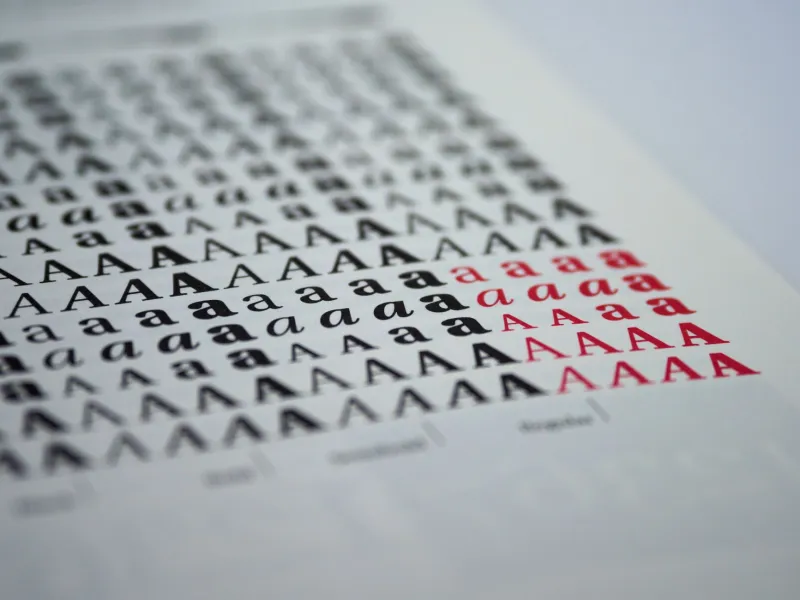
Your typeface is already talking before your copy clears its throat. This is a practical look at why the safe grotesque is the most crowded room in British branding, what comic-adjacent, condensed and humanist choices actually signal, and how to audition a font by reading your angriest customer email in it.

The Quiet Exit: Turning Polite Goodbyes Into Proper Brand Briefs

The Quiet Exit: Turning Polite Goodbyes Into Proper Brand Briefs

Most brand research courts the regulars and ignores the people who've already gone. A short, cheap leaver-debrief habit — three specific questions, one named human, ten calls a month — can surface the fixable truth that polite British exits tend to bury.

The Brand Is in the Hold Music: Designing Waits People Forgive

The Brand Is in the Hold Music: Designing Waits People Forgive

Most brands treat waiting as dead time, then spend fortunes on campaigns that promise a better experience. The queue, the hold music and the tracking page are where that promise is actually tested. Here’s how to design a wait that feels intentional, fair and maybe even a little distinctive.

The Stranger's Verdict: One Word From Outside Your Bubble

The Stranger's Verdict: One Word From Outside Your Bubble

Most brand audits begin with people who already know the story. This one begins with three strangers, a phone screen and a single word. It is cheap, slightly uncomfortable and very good at showing what your brand actually signals.

The Customer Your Deck Never Met: Why Outliers Beat Averages

The Customer Your Deck Never Met: Why Outliers Beat Averages

Most brand strategies are built for a customer who doesn't quite exist: the average. This is a case for the anti-persona — the odd, accidental or awkward user who already loves you for reasons your deck never predicted, and how to turn that behaviour into sharper messaging, products and campaigns.

Keep a Drawer for the Duds: Why Every Brand Needs a Failure Portfolio

Keep a Drawer for the Duds: Why Every Brand Needs a Failure Portfolio

Most UK brands publish the wins and quietly bin the rest, then wonder why their positioning sounds like everyone else's. A failure portfolio — rejected routes, quiet campaigns, near-miss launches — is the raw material for a brand that actually stands for something. Here's how to build one and review it in 90 minutes.